

Home
>
Product
>
Environmental Protection Accessories
>
Refractory Insulation Materials
>
Ceramic Fiber Wool
Products
New Products
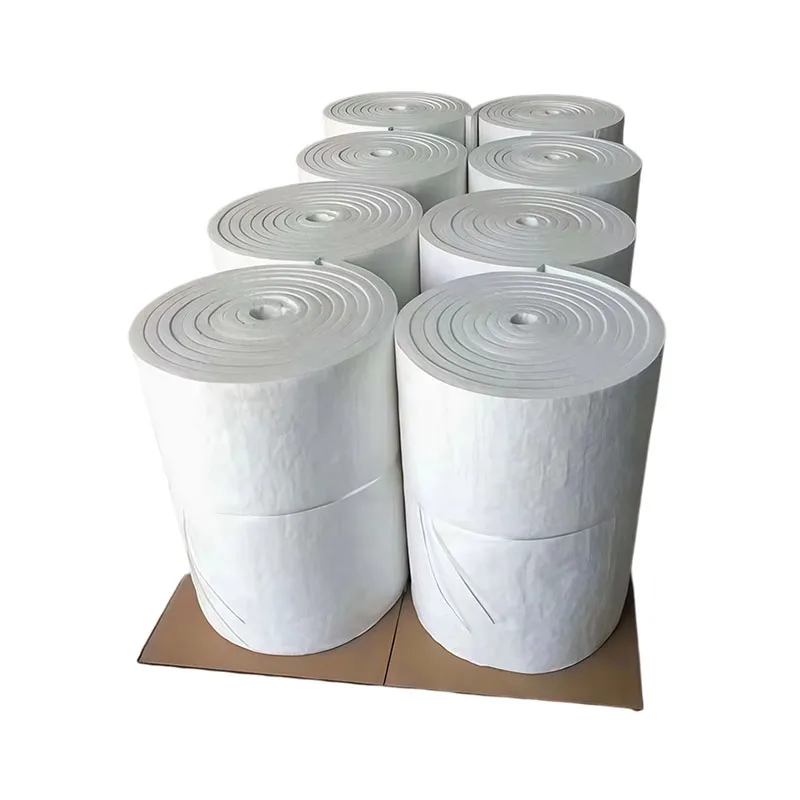
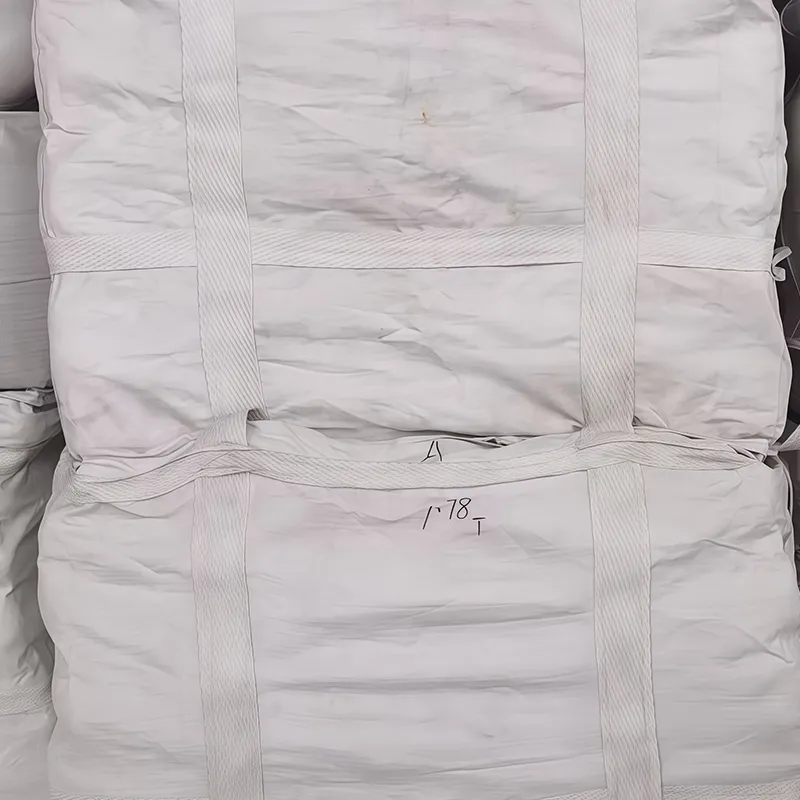
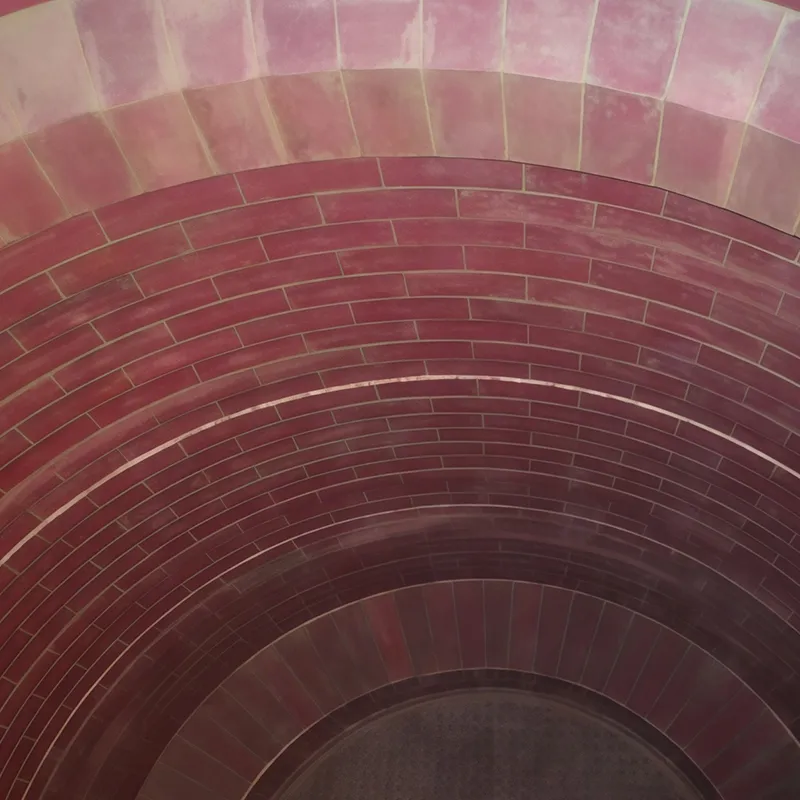

Ceramic Fiber Wool
Our Ceramic Fiber Wool is a high-performance, high-temperature-resistant insulation material specifically engineered for the internal insulation of Regenerative Thermal Oxidizers (RTO). Designed to withstand the extreme working conditions of RTO systems—including frequent high-temperature fluctuations (200–1200℃), intense thermal shocks from VOCs combustion, and long-term exposure to oxidative and corrosive flue gases—it serves as a core thermal insulation and energy-saving barrier for RTO chambers, regenerative beds, and flue gas channels. Crafted through advanced melting-fiberization technology using high-purity raw materials (alumina, silica, and zirconia for high-grade models), our ceramic fiber wool integrates exceptional high-temperature stability, ultra-low thermal conductivity, and excellent thermal shock resistance. It effectively reduces heat loss, optimizes energy recovery efficiency, protects RTO metal shells from overheating damage, and ensures stable, efficient, and compliant operation of VOCs treatment systems. Fully compliant with global industrial and environmental standards, including ISO 17590:2025, ISO 10635:1999, EU VOCs Emission Directive (EU 2010/75/EU), and US EPA 40 CFR Part 63, it has become an indispensable internal insulation material for RTO systems worldwide.
Product Description
Our Ceramic Fiber Wool is a high-performance, high-temperature-resistant insulation material specifically engineered for the internal insulation of Regenerative Thermal Oxidizers (RTO). Designed to withstand the extreme working conditions of RTO systems—including frequent high-temperature fluctuations (200–1200℃), intense thermal shocks from VOCs combustion, and long-term exposure to oxidative and corrosive flue gases—it serves as a core thermal insulation and energy-saving barrier for RTO chambers, regenerative beds, and flue gas channels. Crafted through advanced melting-fiberization technology using high-purity raw materials (alumina, silica, and zirconia for high-grade models), our ceramic fiber wool integrates exceptional high-temperature stability, ultra-low thermal conductivity, and excellent thermal shock resistance. It effectively reduces heat loss, optimizes energy recovery efficiency, protects RTO metal shells from overheating damage, and ensures stable, efficient, and compliant operation of VOCs treatment systems. Fully compliant with global industrial and environmental standards, including ISO 17590:2025, ISO 10635:1999, EU VOCs Emission Directive (EU 2010/75/EU), and US EPA 40 CFR Part 63, it has become an indispensable internal insulation material for RTO systems worldwide.
Unlike traditional insulation materials (such as refractory brick s, ordinary fiber cotton) that suffer from high heat loss, poor thermal shock resistance, and short service life in RTO environments, our RTO-specific Ceramic Fiber Wool solves these industry pain points through optimized material formulation and precision production. With a low thermal conductivity (0.03–0.12 W/(m·K) at 800℃) and high porosity (>90%) , it minimizes heat dissipation from the RTO chamber, improving energy recovery efficiency by 15–30% and reducing auxiliary fuel consumption significantly. Its lightweight and flexible structure (bulk density 96–192kg/m³) avoids the heavy load of traditional refractory materials on the RTO shell, while its excellent thermal shock resistance (withstanding rapid temperature changes of ≥300℃/h without cracking) adapts perfectly to the cyclic heating and cooling process of RTO systems. This product is tailored to the unique needs of RTO VOCs treatment, ensuring long-term stable insulation performance and reducing maintenance costs.
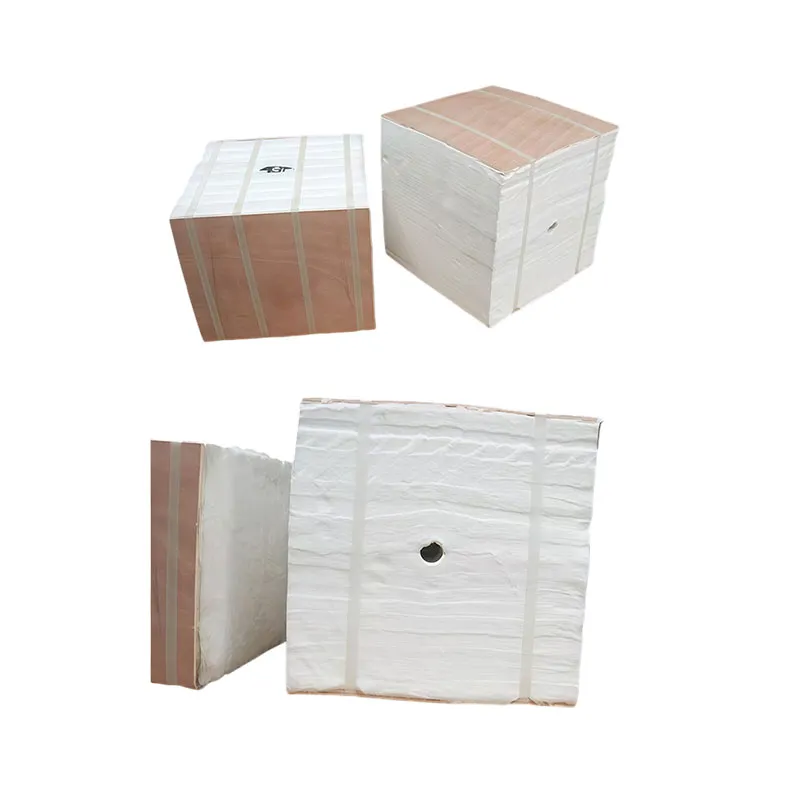
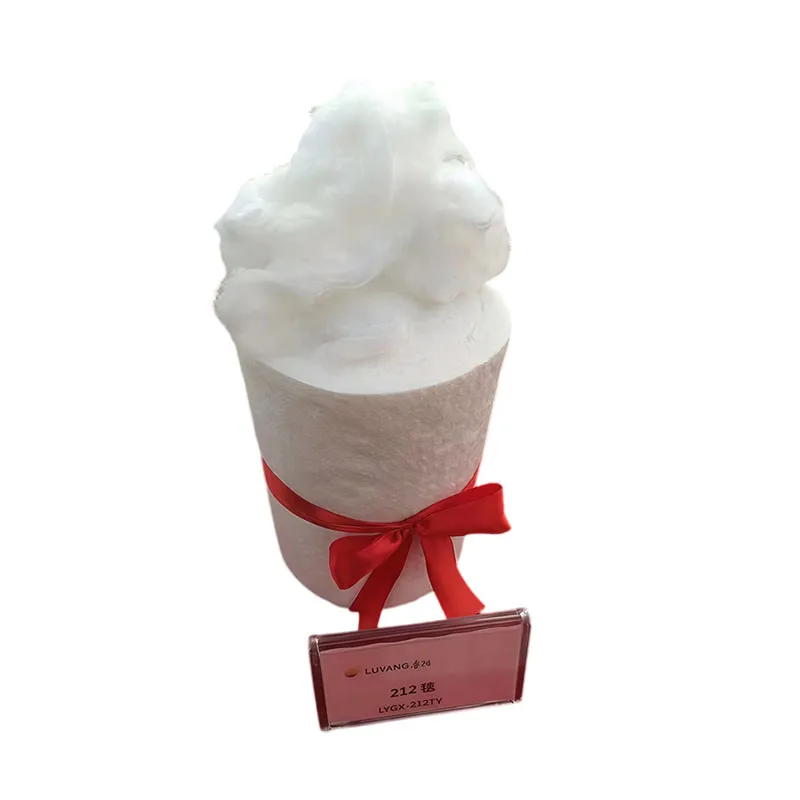
Unlike traditional insulation materials (such as refractory brick s, ordinary fiber cotton) that suffer from high heat loss, poor thermal shock resistance, and short service life in RTO environments, our RTO-specific Ceramic Fiber Wool solves these industry pain points through optimized material formulation and precision production. With a low thermal conductivity (0.03–0.12 W/(m·K) at 800℃) and high porosity (>90%) , it minimizes heat dissipation from the RTO chamber, improving energy recovery efficiency by 15–30% and reducing auxiliary fuel consumption significantly. Its lightweight and flexible structure (bulk density 96–192kg/m³) avoids the heavy load of traditional refractory materials on the RTO shell, while its excellent thermal shock resistance (withstanding rapid temperature changes of ≥300℃/h without cracking) adapts perfectly to the cyclic heating and cooling process of RTO systems. This product is tailored to the unique needs of RTO VOCs treatment, ensuring long-term stable insulation performance and reducing maintenance costs.
Product Feature
Core Working Principle & RTO-Specific Adaptability
Our Ceramic Fiber Wool operates as a high-efficiency thermal insulation barrier for RTO internal lining, relying on its unique fiber structure and material properties to isolate the high-temperature internal environment of RTO from the metal shell, while adapting to the cyclic working characteristics of RTO systems. It realizes energy saving, equipment protection, and stable operation through the following mechanisms:
1.High-Temperature Insulation & Energy Conservation: The ceramic fiber wool is laid as an internal lining (typically 100–300mm thick) in RTO chambers, regenerative beds, and flue gas channels. Its ultra-low thermal conductivity (0.03–0.12 W/(m·K) at 800℃) and dense fiber structure effectively block heat transfer from the high-temperature combustion zone (800–1200℃) to the RTO metal shell, reducing the outer wall temperature to ≤60℃ (complying with GB4272 and international insulation standards) . This minimizes heat loss, improves the heat recovery efficiency of the RTO regenerative bed, reduces auxiliary fuel consumption during startup and low-concentration VOCs treatment, and achieves significant energy-saving effects (energy saving up to 30% compared to traditional insulation materials) .
2.Resisting Thermal Shocks & Cyclic Temperature Changes: RTO systems undergo frequent cyclic temperature changes (from room temperature to 800–1200℃ and back to room temperature) during VOCs combustion and heat recovery. Our ceramic fiber wool has excellent thermal shock resistance, complying with ISO 10635:1999 standards, and can withstand 50+ cycles of 1100℃ to room temperature without cracking or peeling. Its flexible fiber structure absorbs thermal expansion and contraction, avoiding structural damage caused by thermal stress, which is far superior to traditional refractory bricks (thermal shock resistance 10 times better) .
3.Corrosion Resistance & High-Temperature Stability: During VOCs combustion, RTO systems generate oxidative and weakly acidic flue gases (CO₂, SO₂, NOₓ) that can erode insulation materials. Our ceramic fiber wool is made of high-purity alumina-silica-zirconia composite materials, with excellent chemical stability—resisting corrosion from most acids (except HF acid) and oxidative atmospheres. High-grade zirconia-containing models (ZrO₂≥15%) can withstand long-term operation at 1400℃, with creep rate ≤2.5% (1300℃×24h) , and no melting, sintering, or powdering under high-temperature conditions, ensuring long-term insulation performance stability.
4.Adaptability to RTO Working Conditions: The lightweight design (bulk density only 1/10 of traditional refractory bricks) reduces the load on the RTO metal shell, avoiding deformation caused by heavy insulation materials. Its flexible and compressible properties allow it to be easily laid in RTO regenerative beds, corner gaps, and irregular-shaped parts, ensuring seamless insulation and eliminating heat loss blind spots. It supports modular installation, which is 5–8 times faster than bricklaying, significantly shortening the RTO construction period.
Key Product Advantages (RTO-Specific)
1.Exceptional High-Temperature Resistance: Available in three grades to adapt to different RTO temperature zones : 1000℃ (standard grade), 1260℃ (high-purity grade), and 1400℃ (zirconia-containing grade). It can withstand long-term operation at 800–1200℃ (the core working temperature of RTO) and瞬间 high temperatures up to 1600℃, maintaining structural stability without melting, sintering, or powdering . The zirconia-containing grade (ZrO₂≥15%) further enhances high-temperature stability, suitable for high-temperature RTO combustion chambers.
2.Ultra-Low Thermal Conductivity & Energy Saving: With a thermal conductivity of 0.03–0.12 W/(m·K) at 800℃ , it is only 15% of refractory clay bricks and 38% of lightweight clay bricks , effectively reducing RTO heat loss. This improves the heat recovery efficiency of the regenerative bed by 15–30%, reduces auxiliary fuel consumption, and lowers RTO operational costs—especially suitable for low-concentration VOCs treatment scenarios.
3.Excellent Thermal Shock Resistance: Optimized fiber structure and high-purity raw materials ensure superior thermal shock resistance, capable of withstanding rapid temperature changes of ≥300℃/h without cracking or peeling . It perfectly adapts to the cyclic heating and cooling process of RTO systems, avoiding insulation layer damage caused by thermal stress and extending the service life of the RTO lining.
4.Lightweight & Flexible, Easy Construction: With a bulk density of 96–192kg/m³ , it is 75% lighter than refractory bricks , reducing the load on the RTO metal shell and avoiding structural deformation. It is flexible and compressible, supporting on-site cutting and molding without special equipment , and can be seamlessly laid in RTO regenerative beds, flue gas channels, and irregular-shaped parts. Modular installation reduces the construction period by 50–70% compared to traditional refractory lining .
5.Corrosion Resistance & Long Service Life: Made of high-purity alumina-silica composite materials (with zirconia added for high-grade models), it has excellent chemical stability—resisting corrosion from oxidative and weakly acidic flue gases generated by VOCs combustion . It contains no binders or corrosive substances , and has a service life of 5–8 years under normal RTO operating conditions, which is 2–3 times longer than ordinary fiber insulation materials . The pre-crystallization treatment ensures thermal shrinkage ≤1.5%, further enhancing structural stability.
6.Low Heat Capacity & Fast Temperature Response: The ultra-low heat capacity of ceramic fiber wool allows the RTO system to heat up and cool down quickly , shortening the startup time by 30–50% and improving the responsiveness of RTO operation. This is particularly beneficial for intermittent RTO systems, reducing energy waste during startup .
7.Customizable & Versatile for RTO Types: We provide customized solutions according to the type of RTO (single-bed, two-bed, three-bed), working temperature, and insulation thickness requirements . Available in various forms (bulk wool, blanket, module), it can be tailored to different RTO components: bulk wool for gap filling, blanket for chamber lining, and modules for regenerative bed insulation . Fiber diameter (2–5μm) and bulk density can also be customized to optimize insulation performance.
8.Global Compliance & Environmental Friendliness: The raw materials are non-toxic, non-asbestos, and comply with ISO 14001:2015 environmental standards . The product fully meets international standards (ISO 17590:2025, ISO 10635:1999) and regional regulations (EU, US EPA), helping customers smoothly pass environmental inspections and meet VOCs emission compliance goals . Bio-soluble fiber options are available to ensure occupational health and safety.
9.Cost-Effective & Low Maintenance: The lightweight design reduces transportation and construction costs, while the long service life and self-stable performance reduce maintenance and replacement frequency . It requires no baking process after installation, enabling immediate operation of the RTO system, saving 72–168 hours of baking time and reducing construction costs.
Typical Applications (RTO-Specific)
Our Ceramic Fiber Wool is specifically designed for the internal insulation of RTO systems, widely applied in various industrial VOCs treatment scenarios, serving as a core insulation material for efficient, energy-saving, and stable RTO operation:
1.RTO Combustion Chambers: Lining insulation for high-temperature combustion zones (800–1200℃), using high-grade zirconia-containing ceramic fiber wool to resist extreme temperatures and thermal shocks, ensuring stable combustion of VOCs.
2.RTO Regenerative Beds: Insulation for ceramic regenerator filling layers, reducing heat loss, improving heat recovery efficiency, and optimizing the energy-saving effect of RTO systems.
3.RTO Flue Gas Channels: Lining insulation for inlet/outlet flue gas ducts, reducing heat dissipation during flue gas transmission and protecting the metal duct from high-temperature corrosion.
4.RTO Irregular Parts: Gap filling and insulation for RTO corners, door seals, and pipe connections, eliminating heat loss blind spots and ensuring overall insulation performance .
5.RTO Renovation Projects: Replacement of traditional refractory lining or ordinary fiber insulation, improving insulation efficiency by 20–30%, reducing energy consumption, and extending RTO service life without major structural modifications .
Why Choose Our Ceramic Fiber Wool for RTO Internal Insulation?
As a professional manufacturer of high-temperature insulation materials for environmental protection equipment, we specialize in the R&D, production, and customization of Ceramic Fiber Wool for RTO internal insulation. We integrate international advanced melting-fiberization technology, RTO process experience, and strict quality control systems—from raw material selection (high-purity alumina, silica, zirconia) to fiber production and product testing, ensuring product quality consistency and performance stability. Our products comply with international standards such as ISO 17590:2025 and ISO 10635:1999, with reliable performance and stable quality.
We provide one-stop services from product customization, technical consultation, on-site installation guidance to after-sales maintenance, tailoring solutions according to the specific parameters of each customer’s RTO system (type, working temperature, insulation thickness, component structure). Our Ceramic Fiber Wool has been exported to dozens of countries and regions, widely used in RTO VOCs treatment projects in chemical, petrochemical, printing and dyeing, coating, and other industries, and recognized for its high temperature resistance, energy saving, durability, and ease of construction.
In an era of increasingly stringent global VOCs emission standards and growing demand for energy conservation and carbon reduction, our Ceramic Fiber Wool helps enterprises optimize RTO operational efficiency, reduce energy consumption and maintenance costs, and achieve environmental compliance. Choosing our Ceramic Fiber Wool is your reliable guarantee for efficient, stable, and sustainable operation of RTO systems.
Our Ceramic Fiber Wool operates as a high-efficiency thermal insulation barrier for RTO internal lining, relying on its unique fiber structure and material properties to isolate the high-temperature internal environment of RTO from the metal shell, while adapting to the cyclic working characteristics of RTO systems. It realizes energy saving, equipment protection, and stable operation through the following mechanisms:
1.High-Temperature Insulation & Energy Conservation: The ceramic fiber wool is laid as an internal lining (typically 100–300mm thick) in RTO chambers, regenerative beds, and flue gas channels. Its ultra-low thermal conductivity (0.03–0.12 W/(m·K) at 800℃) and dense fiber structure effectively block heat transfer from the high-temperature combustion zone (800–1200℃) to the RTO metal shell, reducing the outer wall temperature to ≤60℃ (complying with GB4272 and international insulation standards) . This minimizes heat loss, improves the heat recovery efficiency of the RTO regenerative bed, reduces auxiliary fuel consumption during startup and low-concentration VOCs treatment, and achieves significant energy-saving effects (energy saving up to 30% compared to traditional insulation materials) .
2.Resisting Thermal Shocks & Cyclic Temperature Changes: RTO systems undergo frequent cyclic temperature changes (from room temperature to 800–1200℃ and back to room temperature) during VOCs combustion and heat recovery. Our ceramic fiber wool has excellent thermal shock resistance, complying with ISO 10635:1999 standards, and can withstand 50+ cycles of 1100℃ to room temperature without cracking or peeling. Its flexible fiber structure absorbs thermal expansion and contraction, avoiding structural damage caused by thermal stress, which is far superior to traditional refractory bricks (thermal shock resistance 10 times better) .
3.Corrosion Resistance & High-Temperature Stability: During VOCs combustion, RTO systems generate oxidative and weakly acidic flue gases (CO₂, SO₂, NOₓ) that can erode insulation materials. Our ceramic fiber wool is made of high-purity alumina-silica-zirconia composite materials, with excellent chemical stability—resisting corrosion from most acids (except HF acid) and oxidative atmospheres. High-grade zirconia-containing models (ZrO₂≥15%) can withstand long-term operation at 1400℃, with creep rate ≤2.5% (1300℃×24h) , and no melting, sintering, or powdering under high-temperature conditions, ensuring long-term insulation performance stability.
4.Adaptability to RTO Working Conditions: The lightweight design (bulk density only 1/10 of traditional refractory bricks) reduces the load on the RTO metal shell, avoiding deformation caused by heavy insulation materials. Its flexible and compressible properties allow it to be easily laid in RTO regenerative beds, corner gaps, and irregular-shaped parts, ensuring seamless insulation and eliminating heat loss blind spots. It supports modular installation, which is 5–8 times faster than bricklaying, significantly shortening the RTO construction period.
Key Product Advantages (RTO-Specific)
1.Exceptional High-Temperature Resistance: Available in three grades to adapt to different RTO temperature zones : 1000℃ (standard grade), 1260℃ (high-purity grade), and 1400℃ (zirconia-containing grade). It can withstand long-term operation at 800–1200℃ (the core working temperature of RTO) and瞬间 high temperatures up to 1600℃, maintaining structural stability without melting, sintering, or powdering . The zirconia-containing grade (ZrO₂≥15%) further enhances high-temperature stability, suitable for high-temperature RTO combustion chambers.
2.Ultra-Low Thermal Conductivity & Energy Saving: With a thermal conductivity of 0.03–0.12 W/(m·K) at 800℃ , it is only 15% of refractory clay bricks and 38% of lightweight clay bricks , effectively reducing RTO heat loss. This improves the heat recovery efficiency of the regenerative bed by 15–30%, reduces auxiliary fuel consumption, and lowers RTO operational costs—especially suitable for low-concentration VOCs treatment scenarios.
3.Excellent Thermal Shock Resistance: Optimized fiber structure and high-purity raw materials ensure superior thermal shock resistance, capable of withstanding rapid temperature changes of ≥300℃/h without cracking or peeling . It perfectly adapts to the cyclic heating and cooling process of RTO systems, avoiding insulation layer damage caused by thermal stress and extending the service life of the RTO lining.
4.Lightweight & Flexible, Easy Construction: With a bulk density of 96–192kg/m³ , it is 75% lighter than refractory bricks , reducing the load on the RTO metal shell and avoiding structural deformation. It is flexible and compressible, supporting on-site cutting and molding without special equipment , and can be seamlessly laid in RTO regenerative beds, flue gas channels, and irregular-shaped parts. Modular installation reduces the construction period by 50–70% compared to traditional refractory lining .
5.Corrosion Resistance & Long Service Life: Made of high-purity alumina-silica composite materials (with zirconia added for high-grade models), it has excellent chemical stability—resisting corrosion from oxidative and weakly acidic flue gases generated by VOCs combustion . It contains no binders or corrosive substances , and has a service life of 5–8 years under normal RTO operating conditions, which is 2–3 times longer than ordinary fiber insulation materials . The pre-crystallization treatment ensures thermal shrinkage ≤1.5%, further enhancing structural stability.
6.Low Heat Capacity & Fast Temperature Response: The ultra-low heat capacity of ceramic fiber wool allows the RTO system to heat up and cool down quickly , shortening the startup time by 30–50% and improving the responsiveness of RTO operation. This is particularly beneficial for intermittent RTO systems, reducing energy waste during startup .
7.Customizable & Versatile for RTO Types: We provide customized solutions according to the type of RTO (single-bed, two-bed, three-bed), working temperature, and insulation thickness requirements . Available in various forms (bulk wool, blanket, module), it can be tailored to different RTO components: bulk wool for gap filling, blanket for chamber lining, and modules for regenerative bed insulation . Fiber diameter (2–5μm) and bulk density can also be customized to optimize insulation performance.
8.Global Compliance & Environmental Friendliness: The raw materials are non-toxic, non-asbestos, and comply with ISO 14001:2015 environmental standards . The product fully meets international standards (ISO 17590:2025, ISO 10635:1999) and regional regulations (EU, US EPA), helping customers smoothly pass environmental inspections and meet VOCs emission compliance goals . Bio-soluble fiber options are available to ensure occupational health and safety.
9.Cost-Effective & Low Maintenance: The lightweight design reduces transportation and construction costs, while the long service life and self-stable performance reduce maintenance and replacement frequency . It requires no baking process after installation, enabling immediate operation of the RTO system, saving 72–168 hours of baking time and reducing construction costs.
Typical Applications (RTO-Specific)
Our Ceramic Fiber Wool is specifically designed for the internal insulation of RTO systems, widely applied in various industrial VOCs treatment scenarios, serving as a core insulation material for efficient, energy-saving, and stable RTO operation:
1.RTO Combustion Chambers: Lining insulation for high-temperature combustion zones (800–1200℃), using high-grade zirconia-containing ceramic fiber wool to resist extreme temperatures and thermal shocks, ensuring stable combustion of VOCs.
2.RTO Regenerative Beds: Insulation for ceramic regenerator filling layers, reducing heat loss, improving heat recovery efficiency, and optimizing the energy-saving effect of RTO systems.
3.RTO Flue Gas Channels: Lining insulation for inlet/outlet flue gas ducts, reducing heat dissipation during flue gas transmission and protecting the metal duct from high-temperature corrosion.
4.RTO Irregular Parts: Gap filling and insulation for RTO corners, door seals, and pipe connections, eliminating heat loss blind spots and ensuring overall insulation performance .
5.RTO Renovation Projects: Replacement of traditional refractory lining or ordinary fiber insulation, improving insulation efficiency by 20–30%, reducing energy consumption, and extending RTO service life without major structural modifications .
Why Choose Our Ceramic Fiber Wool for RTO Internal Insulation?
As a professional manufacturer of high-temperature insulation materials for environmental protection equipment, we specialize in the R&D, production, and customization of Ceramic Fiber Wool for RTO internal insulation. We integrate international advanced melting-fiberization technology, RTO process experience, and strict quality control systems—from raw material selection (high-purity alumina, silica, zirconia) to fiber production and product testing, ensuring product quality consistency and performance stability. Our products comply with international standards such as ISO 17590:2025 and ISO 10635:1999, with reliable performance and stable quality.
We provide one-stop services from product customization, technical consultation, on-site installation guidance to after-sales maintenance, tailoring solutions according to the specific parameters of each customer’s RTO system (type, working temperature, insulation thickness, component structure). Our Ceramic Fiber Wool has been exported to dozens of countries and regions, widely used in RTO VOCs treatment projects in chemical, petrochemical, printing and dyeing, coating, and other industries, and recognized for its high temperature resistance, energy saving, durability, and ease of construction.
In an era of increasingly stringent global VOCs emission standards and growing demand for energy conservation and carbon reduction, our Ceramic Fiber Wool helps enterprises optimize RTO operational efficiency, reduce energy consumption and maintenance costs, and achieve environmental compliance. Choosing our Ceramic Fiber Wool is your reliable guarantee for efficient, stable, and sustainable operation of RTO systems.
Send Inquiry
Please feel free to give your inquiry in the form below. We will reply you in 24 hours.
Related Products