
Products
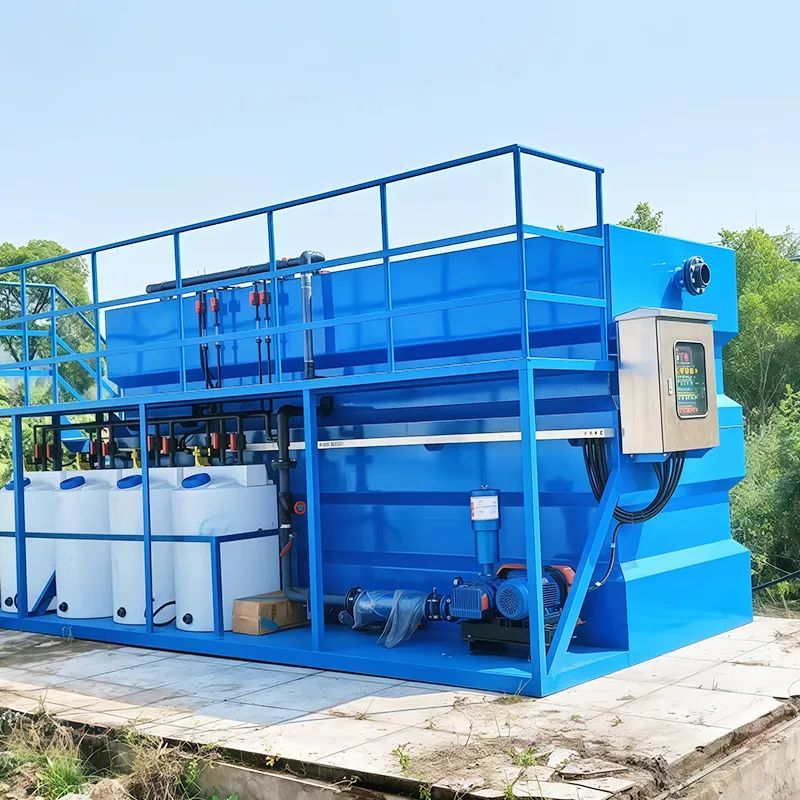
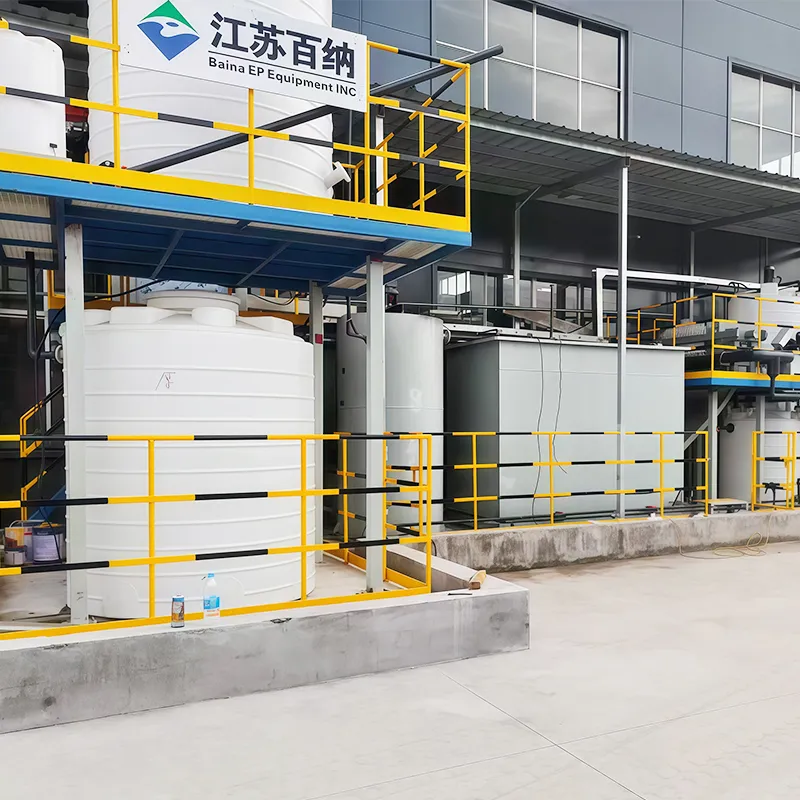
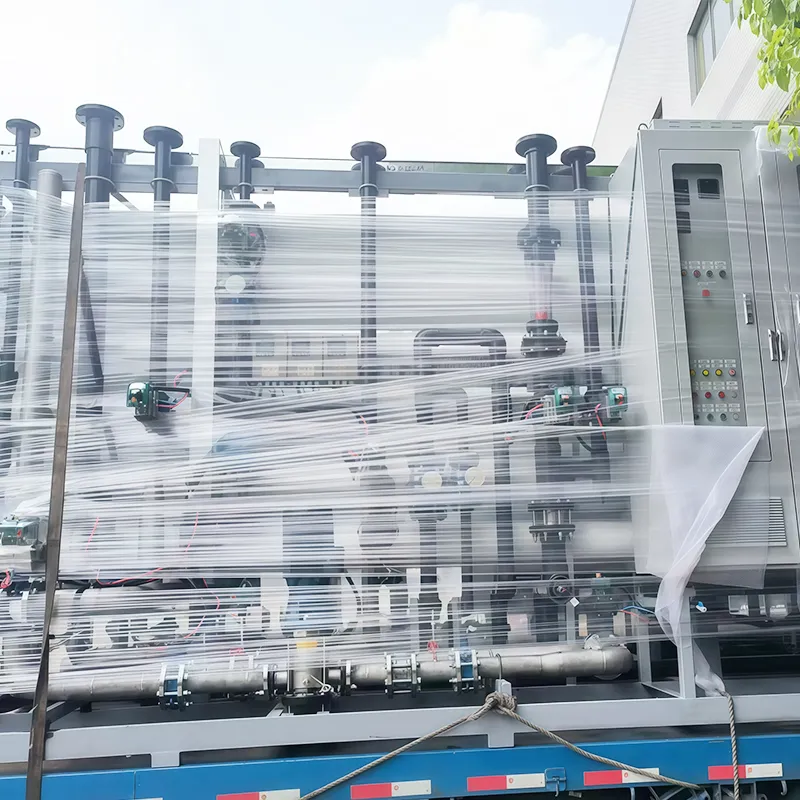
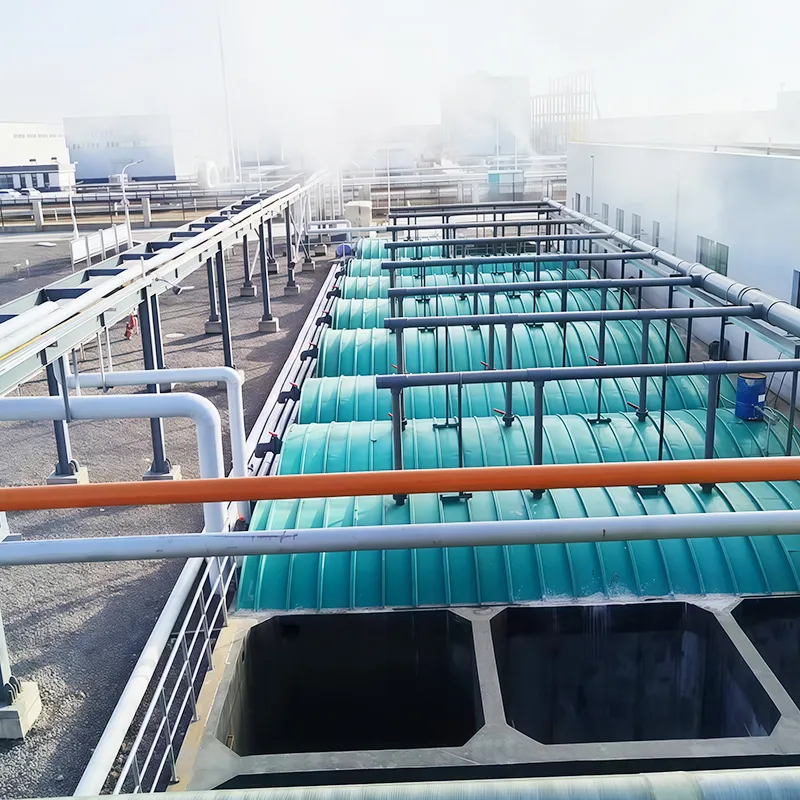

Full-process biochemical treatment system
Our Full-process biochemical treatment system is a sustainable, cost-effective, and efficient solution tailored for treating industrial and municipal wastewater of varying complexities. By simulating and enhancing nature’s own purification processes, this integrated system leverages the metabolic power of specially selected microorganisms to thoroughly degrade biodegradable organic pollutants, nutrients, and harmful substances—eliminating the need for excessive chemical additives and minimizing secondary pollution. It is designed to handle a wide range of wastewater types, from low-concentration domestic sewage to high-strength industrial effluent, ensuring stable compliance with global strict environmental standards, including EU Urban Wastewater Treatment Directive (EU 2024/3019), US EPA Effluent Guidelines, and regional regulations worldwide.
Product Description
Our Full-process biochemical treatment system is a sustainable, cost-effective, and efficient solution tailored for treating industrial and municipal wastewater of varying complexities. By simulating and enhancing nature’s own purification processes, this integrated system leverages the metabolic power of specially selected microorganisms to thoroughly degrade biodegradable organic pollutants, nutrients, and harmful substances—eliminating the need for excessive chemical additives and minimizing secondary pollution. It is designed to handle a wide range of wastewater types, from low-concentration domestic sewage to high-strength industrial effluent, ensuring stable compliance with global strict environmental standards, including EU Urban Wastewater Treatment Directive (EU 2024/3019), US EPA Effluent Guidelines, and regional regulations worldwide.
Unlike fragmented treatment technologies that often fail to address multi-pollutant wastewater or require costly post-treatment, our full-process biochemical system integrates pre-treatment, anaerobic/aerobic reaction, sedimentation, and advanced polishing into a seamless workflow. It effectively removes BOD, COD, ammonia nitrogen, phosphorus, suspended solids (TSS), and organic matter, while reducing sludge production and enabling energy recovery—aligning with circular economy goals and the global push for sustainable wastewater management. This technology is widely adopted across industries, providing a reliable path to environmental compliance, water resource reuse, and reduced operational costs.
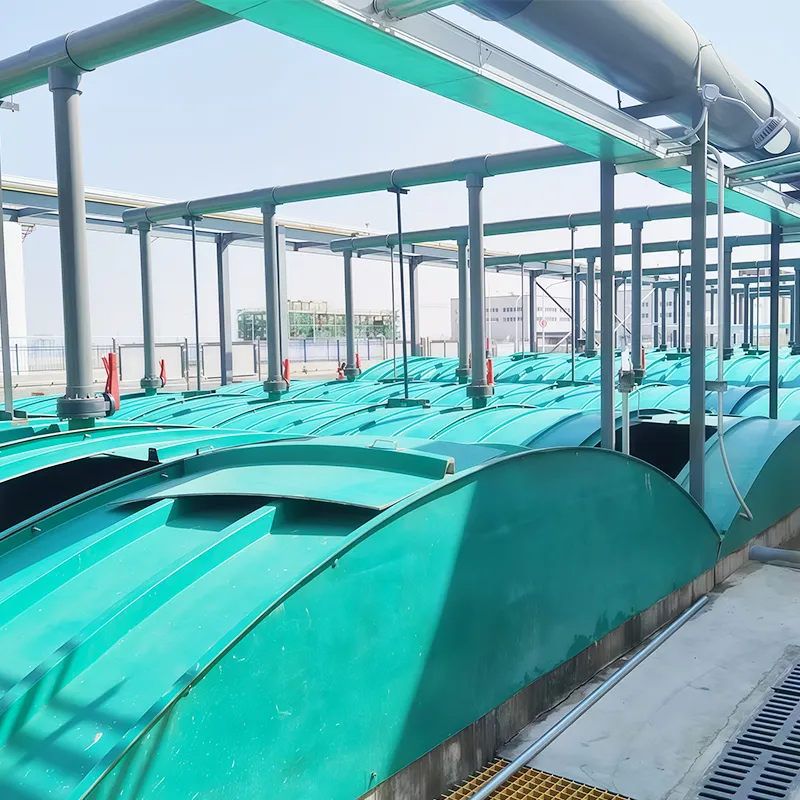
Unlike fragmented treatment technologies that often fail to address multi-pollutant wastewater or require costly post-treatment, our full-process biochemical system integrates pre-treatment, anaerobic/aerobic reaction, sedimentation, and advanced polishing into a seamless workflow. It effectively removes BOD, COD, ammonia nitrogen, phosphorus, suspended solids (TSS), and organic matter, while reducing sludge production and enabling energy recovery—aligning with circular economy goals and the global push for sustainable wastewater management. This technology is widely adopted across industries, providing a reliable path to environmental compliance, water resource reuse, and reduced operational costs.
Product Feature
Core Working Principle
The full-process biochemical system operates through a synergistic, multi-stage process that optimizes microbial activity at each step, ensuring thorough purification and stable performance. It combines anaerobic and aerobic degradation, sedimentation, and polishing to address different types of pollutants, adapting to fluctuations in wastewater quality and flow:
1、Pre-Treatment Stage: Raw wastewater first undergoes pre-treatment to remove large particles, floating debris, oil, and grease through screening, grit removal, and oil separation. This step prevents clogging and damage to subsequent equipment, while adjusting the wastewater’s pH, temperature, and nutrient balance to create an optimal environment for microbial growth—laying the foundation for efficient biochemical degradation.
2、Anaerobic Degradation Stage: The pre-treated wastewater enters the anaerobic reactor, where anaerobic microorganisms break down high-concentration organic pollutants (such as complex sugars, fats, and industrial organics) in an oxygen-free environment. This process converts organic matter into biogas (rich in methane), which can be captured and reused as a renewable energy source to power the treatment system—reducing energy costs and enhancing sustainability. Additionally, anaerobic degradation reduces the organic load (COD/BOD) by 40–60%, improving the efficiency of subsequent aerobic treatment.
3、Aerobic Oxidation Stage: The partially treated wastewater flows into the aerobic reactor (e.g., activated sludge tank, MBBR, or SBR), where aerobic microorganisms (bacteria, protozoa) consume remaining organic matter, ammonia nitrogen, and phosphorus in the presence of oxygen. Through nitrification and denitrification, nitrogen compounds are converted into harmless nitrogen gas, while phosphorus is assimilated by microorganisms or precipitated for removal. This stage achieves a COD/BOD removal rate of 80–95%, ensuring the wastewater meets intermediate treatment standards.
4、Sedimentation & Sludge Treatment Stage: After aerobic treatment, the wastewater enters a secondary sedimentation tank, where microbial flocs (activated sludge) settle to the bottom, separating from the treated water. A portion of the sludge is recycled back to the aerobic reactor to maintain a stable microbial community, while the excess sludge is treated through anaerobic digestion or dewatering—reducing its volume by 70–80% and making it easier to dispose of or reuse as fertilizer. The sludge produced is highly biodegradable, minimizing environmental impact compared to chemically generated sludge.
5、Advanced Polishing Stage: For applications requiring higher water quality (e.g., reuse or strict discharge standards), the treated water undergoes advanced polishing, including filtration, disinfection, or membrane separation. This step removes residual suspended solids, trace organic matter, and pathogens, ensuring the final effluent meets drinking water standards, industrial process water requirements, or the most stringent discharge regulations (e.g., EU tertiary/quaternary treatment standards).
Key Product Advantages
1、Comprehensive Pollutant Removal: Effectively removes BOD, COD, ammonia nitrogen, phosphorus, TSS, and biodegradable organic matter, with COD/BOD removal rates up to 95% and nitrogen/phosphorus removal rates up to 90%. It addresses the root cause of water pollution, ensuring compliance with global standards such as EU 2024/3019 and US EPA Effluent Guidelines.
2、Environmentally Sustainable & Low Secondary Pollution: Leverages naturally occurring microorganisms for degradation, minimizing the need for harsh chemical additives (e.g., oxidants, flocculants). This reduces chemical footprint, greenhouse gas emissions, and the risk of secondary pollution from chemical byproducts. The system generates less sludge, and the sludge produced is biodegradable and easier to manage.
3、Energy-Saving & Cost-Effective: Anaerobic stages produce biogas (methane) that can be recycled for energy, reducing reliance on external power sources and lowering operating costs by 20–30%. The system has low long-term operational costs, as it does not require continuous purchase and dosing of expensive chemicals. Additionally, the high water recovery rate (up to 85%) minimizes water waste and associated costs.
4、Strong Adaptability & Resilience: The modular, full-process design adapts to a wide range of wastewater types and concentrations (COD: 500–50,000 mg/L), including food, chemical, pharmaceutical, and municipal wastewater. Microbial communities can adapt to minor fluctuations in wastewater composition, making the system resilient to impact loads and water quality changes.
5、Stable & Reliable Operation: Equipped with intelligent process control to maintain optimal microbial growth conditions (pH, temperature, dissolved oxygen). The system features a mature, proven design with low failure rates, supporting 24-hour continuous operation. It also includes automatic sludge recycling and cleaning functions to ensure long-term stability and reduce manual intervention.
6、Modular & Scalable Design: The integrated modular structure has a small footprint, making it suitable for both new projects and old factory renovations. It can be easily scaled up or expanded to meet increasing wastewater treatment demands, with prefabricated components that shorten on-site installation and commissioning cycles.
7、Intelligent & Automated Control: Equipped with a PLC intelligent control system, the system automates pH adjustment, aeration control, sludge recycling, and fault alarm. It supports remote monitoring and 24-hour unattended operation, reducing manual management costs and ensuring consistent treatment performance. Operators can easily adjust parameters to adapt to changing wastewater conditions.
8、Water Reuse Capability: The advanced polishing stage enables the treated water to be reused for industrial processes (e.g., cooling, cleaning), irrigation, or municipal non-potable uses—reducing reliance on fresh water and supporting water conservation goals. This aligns with global trends toward water reuse and circular economy practices.
9、Global Compliance & Customization: The design fully complies with international environmental standards and industry norms. We provide customized solutions tailored to the specific wastewater characteristics and emission requirements of different countries and regions, helping customers smoothly pass environmental inspections and meet CSRD (Corporate Sustainability Reporting Directive) compliance goals.
Typical Applications
Our Full-process biochemical treatment system is widely used in industrial, municipal, and commercial fields, particularly in scenarios requiring efficient, sustainable wastewater treatment. Typical applications include:
1.Municipal Wastewater Treatment: Treatment of domestic sewage from residential areas, communities, and urban agglomerations (≥1,000 population equivalent), meeting EU and US standards for secondary/tertiary treatment and water reuse.
2. Food & Beverage Industry: Treatment of high-BOD/COD wastewater from food processing, brewing, dairy, and beverage production, removing organic residues and nutrients to meet discharge regulations.
3.Chemical & Fine Chemical Industry: Treatment of wastewater containing organic intermediates, solvents, and low-toxicity chemicals, reducing organic load and ensuring compliance with strict emission standards.
4. Pharmaceutical & Biopharmaceutical Industry: Treatment of wastewater from API production, fermentation, and pharmaceutical intermediates, removing antibiotics, organic solvents, and biodegradable pollutants while avoiding microbial inhibition.
5. Textile & Dyeing Industry: Treatment of printing and dyeing wastewater, removing organic dyes, auxiliaries, and reducing COD/BOD levels to meet environmental regulations.
6. Paper & Pulp Industry: Treatment of wastewater from pulping and papermaking processes, removing lignin, organic matter, and suspended solids.
7. Breeding Industry: Treatment of livestock and poultry breeding wastewater, removing ammonia nitrogen, phosphorus, and organic matter to prevent water eutrophication.
8. Industrial Parks: Centralized treatment of mixed wastewater from multiple enterprises, providing a cost-effective, unified solution for compliance and water reuse.
Why Choose Our Full-process biochemical treatment system?
As a professional manufacturer of wastewater treatment solutions, we specialize in the R&D, design, and customization of full-process biochemical systems. We integrate international advanced microbial technology, process optimization, and intelligent control, with rich engineering experience in treating diverse wastewater types. Our team provides one-stop services from scheme design, equipment manufacturing, on-site installation, to after-sales maintenance, tailoring solutions to meet the unique needs of each customer.
Our full-process biochemical technology has been exported to dozens of countries and regions, winning wide recognition for its stability, efficiency, sustainability, and cost-effectiveness. In an era of increasingly stringent environmental regulations and growing demand for sustainable development, our solution helps enterprises achieve environmental compliance, reduce operational costs, and enhance their ESG performance. Choosing our Full-process biochemical treatment system is your reliable guarantee for sustainable wastewater management and long-term operational success.
The full-process biochemical system operates through a synergistic, multi-stage process that optimizes microbial activity at each step, ensuring thorough purification and stable performance. It combines anaerobic and aerobic degradation, sedimentation, and polishing to address different types of pollutants, adapting to fluctuations in wastewater quality and flow:
1、Pre-Treatment Stage: Raw wastewater first undergoes pre-treatment to remove large particles, floating debris, oil, and grease through screening, grit removal, and oil separation. This step prevents clogging and damage to subsequent equipment, while adjusting the wastewater’s pH, temperature, and nutrient balance to create an optimal environment for microbial growth—laying the foundation for efficient biochemical degradation.
2、Anaerobic Degradation Stage: The pre-treated wastewater enters the anaerobic reactor, where anaerobic microorganisms break down high-concentration organic pollutants (such as complex sugars, fats, and industrial organics) in an oxygen-free environment. This process converts organic matter into biogas (rich in methane), which can be captured and reused as a renewable energy source to power the treatment system—reducing energy costs and enhancing sustainability. Additionally, anaerobic degradation reduces the organic load (COD/BOD) by 40–60%, improving the efficiency of subsequent aerobic treatment.
3、Aerobic Oxidation Stage: The partially treated wastewater flows into the aerobic reactor (e.g., activated sludge tank, MBBR, or SBR), where aerobic microorganisms (bacteria, protozoa) consume remaining organic matter, ammonia nitrogen, and phosphorus in the presence of oxygen. Through nitrification and denitrification, nitrogen compounds are converted into harmless nitrogen gas, while phosphorus is assimilated by microorganisms or precipitated for removal. This stage achieves a COD/BOD removal rate of 80–95%, ensuring the wastewater meets intermediate treatment standards.
4、Sedimentation & Sludge Treatment Stage: After aerobic treatment, the wastewater enters a secondary sedimentation tank, where microbial flocs (activated sludge) settle to the bottom, separating from the treated water. A portion of the sludge is recycled back to the aerobic reactor to maintain a stable microbial community, while the excess sludge is treated through anaerobic digestion or dewatering—reducing its volume by 70–80% and making it easier to dispose of or reuse as fertilizer. The sludge produced is highly biodegradable, minimizing environmental impact compared to chemically generated sludge.
5、Advanced Polishing Stage: For applications requiring higher water quality (e.g., reuse or strict discharge standards), the treated water undergoes advanced polishing, including filtration, disinfection, or membrane separation. This step removes residual suspended solids, trace organic matter, and pathogens, ensuring the final effluent meets drinking water standards, industrial process water requirements, or the most stringent discharge regulations (e.g., EU tertiary/quaternary treatment standards).
Key Product Advantages
1、Comprehensive Pollutant Removal: Effectively removes BOD, COD, ammonia nitrogen, phosphorus, TSS, and biodegradable organic matter, with COD/BOD removal rates up to 95% and nitrogen/phosphorus removal rates up to 90%. It addresses the root cause of water pollution, ensuring compliance with global standards such as EU 2024/3019 and US EPA Effluent Guidelines.
2、Environmentally Sustainable & Low Secondary Pollution: Leverages naturally occurring microorganisms for degradation, minimizing the need for harsh chemical additives (e.g., oxidants, flocculants). This reduces chemical footprint, greenhouse gas emissions, and the risk of secondary pollution from chemical byproducts. The system generates less sludge, and the sludge produced is biodegradable and easier to manage.
3、Energy-Saving & Cost-Effective: Anaerobic stages produce biogas (methane) that can be recycled for energy, reducing reliance on external power sources and lowering operating costs by 20–30%. The system has low long-term operational costs, as it does not require continuous purchase and dosing of expensive chemicals. Additionally, the high water recovery rate (up to 85%) minimizes water waste and associated costs.
4、Strong Adaptability & Resilience: The modular, full-process design adapts to a wide range of wastewater types and concentrations (COD: 500–50,000 mg/L), including food, chemical, pharmaceutical, and municipal wastewater. Microbial communities can adapt to minor fluctuations in wastewater composition, making the system resilient to impact loads and water quality changes.
5、Stable & Reliable Operation: Equipped with intelligent process control to maintain optimal microbial growth conditions (pH, temperature, dissolved oxygen). The system features a mature, proven design with low failure rates, supporting 24-hour continuous operation. It also includes automatic sludge recycling and cleaning functions to ensure long-term stability and reduce manual intervention.
6、Modular & Scalable Design: The integrated modular structure has a small footprint, making it suitable for both new projects and old factory renovations. It can be easily scaled up or expanded to meet increasing wastewater treatment demands, with prefabricated components that shorten on-site installation and commissioning cycles.
7、Intelligent & Automated Control: Equipped with a PLC intelligent control system, the system automates pH adjustment, aeration control, sludge recycling, and fault alarm. It supports remote monitoring and 24-hour unattended operation, reducing manual management costs and ensuring consistent treatment performance. Operators can easily adjust parameters to adapt to changing wastewater conditions.
8、Water Reuse Capability: The advanced polishing stage enables the treated water to be reused for industrial processes (e.g., cooling, cleaning), irrigation, or municipal non-potable uses—reducing reliance on fresh water and supporting water conservation goals. This aligns with global trends toward water reuse and circular economy practices.
9、Global Compliance & Customization: The design fully complies with international environmental standards and industry norms. We provide customized solutions tailored to the specific wastewater characteristics and emission requirements of different countries and regions, helping customers smoothly pass environmental inspections and meet CSRD (Corporate Sustainability Reporting Directive) compliance goals.
Typical Applications
Our Full-process biochemical treatment system is widely used in industrial, municipal, and commercial fields, particularly in scenarios requiring efficient, sustainable wastewater treatment. Typical applications include:
1.Municipal Wastewater Treatment: Treatment of domestic sewage from residential areas, communities, and urban agglomerations (≥1,000 population equivalent), meeting EU and US standards for secondary/tertiary treatment and water reuse.
2. Food & Beverage Industry: Treatment of high-BOD/COD wastewater from food processing, brewing, dairy, and beverage production, removing organic residues and nutrients to meet discharge regulations.
3.Chemical & Fine Chemical Industry: Treatment of wastewater containing organic intermediates, solvents, and low-toxicity chemicals, reducing organic load and ensuring compliance with strict emission standards.
4. Pharmaceutical & Biopharmaceutical Industry: Treatment of wastewater from API production, fermentation, and pharmaceutical intermediates, removing antibiotics, organic solvents, and biodegradable pollutants while avoiding microbial inhibition.
5. Textile & Dyeing Industry: Treatment of printing and dyeing wastewater, removing organic dyes, auxiliaries, and reducing COD/BOD levels to meet environmental regulations.
6. Paper & Pulp Industry: Treatment of wastewater from pulping and papermaking processes, removing lignin, organic matter, and suspended solids.
7. Breeding Industry: Treatment of livestock and poultry breeding wastewater, removing ammonia nitrogen, phosphorus, and organic matter to prevent water eutrophication.
8. Industrial Parks: Centralized treatment of mixed wastewater from multiple enterprises, providing a cost-effective, unified solution for compliance and water reuse.
Why Choose Our Full-process biochemical treatment system?
As a professional manufacturer of wastewater treatment solutions, we specialize in the R&D, design, and customization of full-process biochemical systems. We integrate international advanced microbial technology, process optimization, and intelligent control, with rich engineering experience in treating diverse wastewater types. Our team provides one-stop services from scheme design, equipment manufacturing, on-site installation, to after-sales maintenance, tailoring solutions to meet the unique needs of each customer.
Our full-process biochemical technology has been exported to dozens of countries and regions, winning wide recognition for its stability, efficiency, sustainability, and cost-effectiveness. In an era of increasingly stringent environmental regulations and growing demand for sustainable development, our solution helps enterprises achieve environmental compliance, reduce operational costs, and enhance their ESG performance. Choosing our Full-process biochemical treatment system is your reliable guarantee for sustainable wastewater management and long-term operational success.
Send Inquiry
Please feel free to give your inquiry in the form below. We will reply you in 24 hours.